Unraveling the myths: Truths about gambling in casinos
Understanding the Nature of Odds
One of the most persistent myths surrounding casino gambling is the belief that players can manipulate the odds. Many individuals think they can develop strategies that will ensure consistent wins; however, it’s crucial to understand that every game in a casino is designed with specific odds that ultimately favor the house. For instance, in games like blackjack or poker, while skill does play a role, the inherent advantage lies with the casino. This ensures that over time, it will always make a profit. Players often seek options for fast payouts, such as ontario casino fast withdrawal , but statistically, losses will outpace victories.
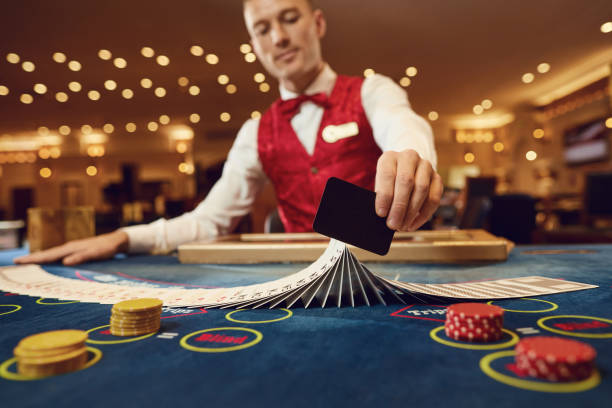
The odds are determined by a variety of factors including the game’s rules, the number of decks in play, and the payout structure. Understanding these odds can help players make informed decisions, but they cannot change the statistical nature of the games. For example, in roulette, regardless of past outcomes, each spin remains an independent event. This means that no strategy can influence where the ball will land, debunking the myth of “hot” or “cold” numbers that some players believe they can track.
Moreover, many gamblers fall into the trap of believing in patterns or “winning streaks.” This is known as the gambler’s fallacy, which suggests that past results can predict future outcomes. In reality, every game round is random; thus, relying on perceived patterns can lead to poor decision-making. By understanding the true nature of odds, players can gamble more responsibly and enjoy the experience without unrealistic expectations of winning.
The Role of Luck vs. Skill
The debate over luck versus skill in casino gambling is another common myth. While it is true that some games, like poker, require a significant amount of skill, many others, such as slot machines and roulette, are purely games of chance. This distinction often gets blurred, leading to misconceptions about how success is achieved in gambling environments. Skill in poker can increase a player’s chances of winning, but even the most skilled player cannot control the cards they are dealt. This inherent randomness must be acknowledged to maintain realistic expectations.
In contrast, games of chance offer no such advantage to players. Slot machines, for instance, are designed to produce random outcomes through a Random Number Generator (RNG). As a result, there is no strategy that can guarantee a win. Players who rely on skills in these types of games may find themselves losing money, as their efforts have no effect on the game outcomes. Understanding this distinction can empower players to choose their games wisely and adopt a more grounded approach when gambling.
Furthermore, the perception of needing luck often leads to mythologizing certain “lucky” rituals or objects. Many players believe that wearing specific clothing or carrying a charm can influence their luck. While these personal beliefs may enhance the gaming experience, they do not alter the randomness of the games. Understanding the balance between luck and skill can empower players to choose games wisely and adopt a more grounded approach when gambling.
The Illusion of Control in Gambling
Players often find themselves under the illusion that they possess some degree of control over their gambling fate through specific strategies or rituals. This belief can foster a sense of confidence, leading to longer play sessions and potentially higher losses. Casinos capitalize on this by creating environments that enhance feelings of control, from the sounds of winning machines to the strategic placement of games. However, the reality is that most casino games are designed to be unpredictable and maintain the house edge.
Many gamblers become enamored with the idea of ‘hitting it big’ and develop systems that they believe will lead them to that goal. Some may choose to bet larger amounts or play longer in hopes of overcoming the house edge. However, this often results in losing more money than intended, as the perceived control over outcomes is merely an illusion. Acknowledging this aspect can help players avoid detrimental behavior patterns that lead to financial instability.
Additionally, the concept of “chasing losses” is a dangerous mindset that many gamblers encounter. Following a loss and the belief that a win is imminent can lead players to risk more than they originally intended, often resulting in significant financial repercussions. Recognizing the limits of control in gambling can not only help individuals engage responsibly but also foster a healthier relationship with the activity.
Gambling Addiction and Responsible Gaming
Gambling addiction is often a misunderstood aspect of casino gaming. Many people believe that only certain individuals are susceptible to addiction, but the reality is that anyone can develop problematic gambling behaviors. This myth can lead to a lack of understanding around the seriousness of the issue and can prevent those in need of help from seeking assistance. The consequences of addiction can be severe, affecting not only the individual but also their families and communities.
Casinos increasingly recognize the importance of promoting responsible gaming practices. Many establishments offer resources for players, including self-exclusion programs, educational materials about gambling addiction, and access to counseling services. Understanding the warning signs of gambling addiction—such as playing with money meant for bills or feeling anxious when not gambling—can empower individuals to seek help before the situation escalates.
It is crucial to establish boundaries when gambling. Setting a budget, adhering to time limits, and being aware of one’s emotions can help mitigate the risks associated with gambling. Recognizing that gambling should be viewed as entertainment rather than a source of income is essential in cultivating a positive gaming experience. By prioritizing responsible gaming, players can enjoy casinos without falling victim to the dangers of addiction.
Discovering More about Responsible Gambling Practices
For those seeking more information about gambling, understanding the available resources and platforms is essential. Numerous organizations provide guidance on responsible gaming, including tips for managing budgets, recognizing unhealthy gambling habits, and strategies for ensuring a safe gaming experience. These resources are invaluable for both novice and experienced players alike, helping shape a more informed gambling environment.
Online platforms often feature educational content that addresses misconceptions about casino gambling and addiction. Websites dedicated to gaming responsible practices provide insights about how to enjoy the experience while maintaining control over one’s behavior. Players can benefit significantly from these resources, which can help demystify the myths surrounding gambling and offer practical solutions to ensure a safe experience.
Ultimately, knowledge is power in the gambling world. By staying informed through reliable sources and understanding the truths about casino gaming, players will be better equipped to make responsible choices. Embracing an informed approach can lead to a more enjoyable gaming experience, free from the burdens of myths and misconceptions.
